
Seoraksan Heullimgol Valley 2026: Free Access Ends September 30
Heullimgol Valley's free entry ends Sept 30, 2026, then a 5,000-hiker cap begins as Seoraksan's foliage peak forecast lands Oct 16-25. Here's how to book it.
Guides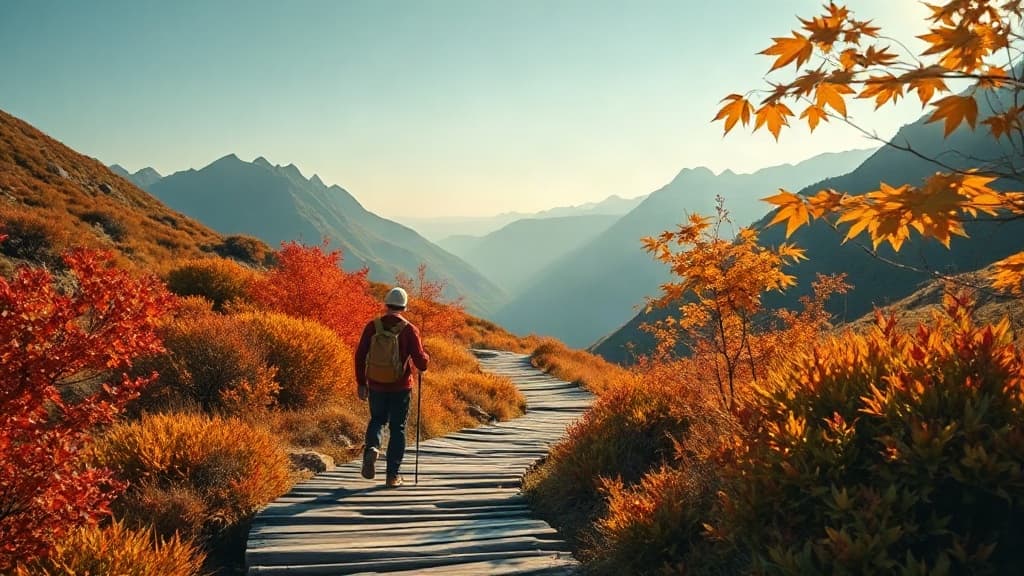
At a glance
- Free access ends
- September 30, 2026
- Reservations open
- October 1-November 30, 2026
- Daily cap
- 5,000 hikers on hourly slots
- Peak foliage forecast
- October 16-25, 2026
- Cable car
- KRW 16,000 adult round trip
- Seoul-Sokcho bus
- about 2h15m, from KRW 16,400
Heullimgol Valley (Osaek entrance) — Heullimgol Valley (Osaek entrance) · Ulsanbawi Rock · Sinheungsa Temple · Sokcho
Walk Heullimgol Valley without booking anything, and September 30, 2026 is the last day you can do it. From October 1, the Korea National Park Service switches the 6.2km trail — one of Seoraksan National Park's best autumn foliage routes — to a reservation system capped at 5,000 hikers on hourly slots, running through November 30, 2026. Miss the free window and you'll need to book online the day before your visit, by 2pm, at reservation.knps.or.kr — and because this lands squarely inside Seoraksan's forecast foliage peak, slots for the best weekends are likely to go fast.
Why the timing matters this year
WeatherEye's 2026 national foliage forecast, published September 5, puts Seoraksan's first color at September 27-30 and its peak at October 16-25, 2026 — a window the Korea National Park Service's own reservation notice confirms lines up with when the Heullimgol booking system is active (KNPS reservation guide). Korean travel outlet TheTravelNews reported on September 11, 2026 that visitors currently hiking Heullimgol without a reservation should treat September 30 as their last chance to do the 6.2km route freely before the hourly-slot system takes over. In October the trail is open 8am-3pm with hourly reservation blocks; November hours run 9am-2pm. Same-day walk-in spots are only released if a time block hasn't filled — don't count on one.
Booking Heullimgol once reservations start
The process is straightforward but has a hard cutoff: reservations for a given day close online at 2pm the day before, through the KNPS reservation portal. There's no published reservation fee — the booking itself is free, you're just claiming one of the 5,000 daily spots split across hourly windows. Popular time blocks (late morning, when the light hits the valley's granite walls) fill first, so book as soon as your travel dates firm up rather than waiting for the week of your trip.
If you can't get a Heullimgol slot, Seoraksan has other foliage routes that don't require reservations, including the paths around Biseondae and the base of the Seoraksan Cable Car — worth keeping as a backup rather than skipping the park entirely.
Biseondae: the no-reservation backup trail
If your dates don't line up with a Heullimgol slot, the Sogongwon-to-Biseondae trail is the park's easiest and most popular alternative and needs no booking. It's a roughly 3.4km round trip from the Seorak-dong visitor centre, mostly paved or boardwalked, and takes most hikers two to three hours at a relaxed pace — manageable for families and older visitors. The path follows a creek valley lined with maples on both sides up to Biseondae Rock, a broad granite outcrop where two streams meet; because it sits at lower elevation than the summit routes, its foliage often colors up before the higher trails do, which makes it a reasonable plan B even outside peak week.
Getting into the rest of the park
Seoraksan National Park itself charges no general entrance fee, and since Korea abolished cultural-heritage viewing fees at 65 Jogye Order temples nationwide on May 4, 2023, Sinheungsa Temple inside the park — first founded in 652 AD, rebuilt at its current site in 1648 after a fire, and considered one of the oldest Zen (Seon) temples still standing — is also free to enter. It's a short walk from the Sogongwon entrance, on the same approach as the cable car base station, so it folds easily into a half-day at the park without adding a separate stop. The one paid attraction most visitors add on is the Seoraksan Cable Car up toward Gwongeumseong fortress site: KRW 16,000 adult round trip, KRW 12,000 for children, with round-trip-only tickets and no walk-up guarantee since the car runs weather-dependently and can close for wind or fog without notice.
Getting there from Seoul
Sokcho is the gateway town for Seoraksan, and the express bus from Seoul takes about 2h15m on the fastest services, with fares from KRW 16,400 up to around KRW 34,600 depending on route and seat class — Dong Seoul Terminal to Sokcho Intercity Bus Terminal is the cheaper pairing, Seoul Express Bus Terminal to Sokcho Express Bus Terminal the more frequent one. From Sokcho, local buses 7 and 7-1 run to the Seoraksan Sogongwon park entrance near Sinheungsa Temple; Heullimgol's Osaek entrance is a separate access point further south along the park's edge, best reached by a local bus or taxi from Sokcho or Yangyang. Budget the better part of a day either way — between the bus, the trailhead transfer and the hike itself, Heullimgol isn't a quick stop on a Seoul day trip the way Biseondae can be.
Timing your booking window
Because the reservation system and the forecast foliage peak land in the same three weeks this year, the practical move is to lock a Seoraksan date first, then open the KNPS portal to book Heullimgol the moment your travel plans firm up — the site only opens each day's slots on a rolling basis ahead of the 2pm cutoff the day before, so there's no long booking runway to game the way there is with, say, a museum timed-entry ticket. If your dates are flexible, weekday mornings in the second half of October are the better bet: weekends during the forecast October 16-25 peak are exactly when a 5,000-person daily cap is most likely to bind.
Data on the trail
Seoraksan's ridgelines and valleys are the kind of terrain where cell signal thins out well before you'd expect it to, and Heullimgol's booking window closing at 2pm the day before means you may want to check your reservation status, pull up an offline trail map, or confirm bus times while you're still moving between Sokcho and the trailhead. Landing with a working South Korea eSIM before you leave Seoul means one less thing to sort out at a bus terminal counter, and you can compare data allowances against your trip length on Roameo's plan comparison page before you fly.
Frequently Asked Questions
Do I need a reservation to hike Heullimgol Valley before October 2026?
No. Through September 30, 2026, Heullimgol is open to walk-in hikers during the summer access hours (3am-2pm) with no booking required. From October 1, every visitor needs an online reservation.
How much does a Heullimgol Valley reservation cost?
Nothing has been published as a reservation fee — you're booking a free slot within the 5,000-person daily cap, not paying for a ticket.
What if all the hourly slots for my date are full?
The KNPS system releases same-day spots at the trailhead if a time block still has capacity, but this isn't guaranteed, especially during the October 16-25 forecast foliage peak — book online by 2pm the day before if you can.
Does Seoraksan National Park charge a general entrance fee?
No. The park itself is free to enter, and Sinheungsa Temple inside it has been free since Korea abolished national-park temple viewing fees in May 2023. The only common paid add-on is the Seoraksan Cable Car.
Is Heullimgol Valley worth the trip if I can only get a summer-hours slot?
Yes — the valley's granite walls and waterfalls are worth seeing outside foliage season too, but if color is the goal, aim for the forecast October 16-25, 2026 peak window and book as early as the reservation system allows once October arrives, since that's also when demand for the 5,000-person daily cap is highest.
Keep reading
Hallasan Autumn 2026: Reservations and Trail Times
Book Hallasan's November foliage window, choose Seongpanak or Gwaneumsa, and follow the stricter October cutoffs for a safe Baengnokdam hike on Jeju Island.
Read more
Busan K-Tour Pass 2026: Price, Benefits and Pitfalls
Busan's new K-Tour Pass costs KRW 15,000. See what its rail discount, free attraction, transit card and missing fine print mean for your trip in 2026.
Read more
Korea e-Arrival Card: The K-ETA Visa Exception
A valid K-ETA usually exempts you from Korea's e-Arrival card, but not when you enter with a visa. Match the form to your entry status.
Read more