
Book Before You Fly: 2026's Timed-Entry Tourist Attractions
Machu Picchu, Mount Fuji, the Acropolis and the Alhambra now sell out before you land. Here is what to book, how far ahead, and what to show at the gate.
Travel tips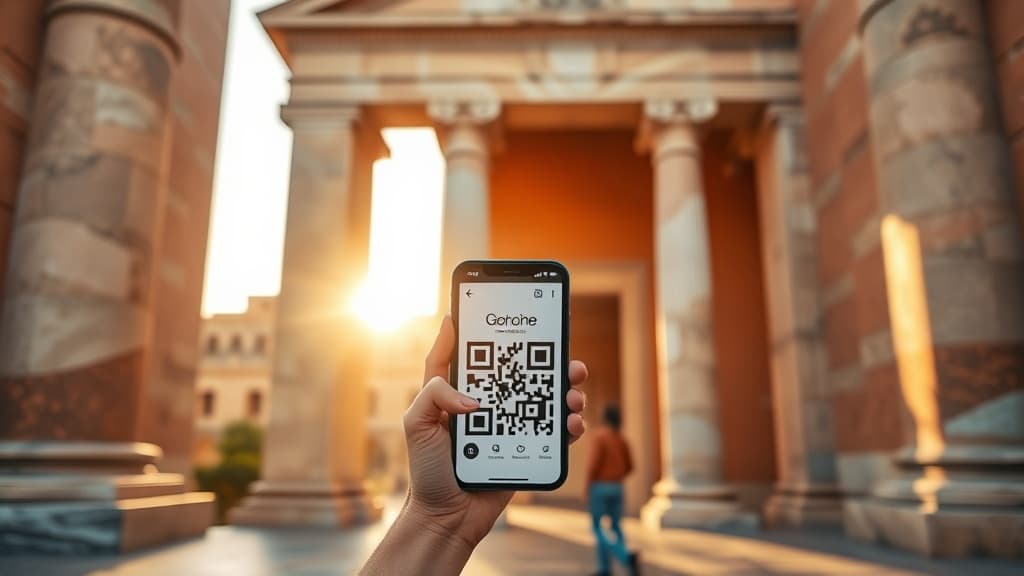
At a glance
- Machu Picchu peak cap
- Up to 5,600 tickets a day, 1 Jun-15 Oct
- Off-peak cap
- Around 4,500 a day
- Mount Fuji permit
- Summer season only, closes 10 September
- Machu Picchu drops to
- Off-peak allocation from 16 October
Machu Picchu — Machu Picchu · Mount Fuji · Acropolis of Athens · Alhambra · Venice
Turning up at a famous sight and buying a ticket at the window is, for a growing list of places, no longer possible. In 2026 Machu Picchu sells no same-day tickets at its entrance gate at all. Mount Fuji charges 4,000 yen on every one of its four trails and issues entry as a QR code you register for online. The Acropolis runs mandatory timed entry underneath a 20,000-visitor daily ceiling. None of this is new policy invented this season, but 2026 is the year it became the norm rather than the exception at the headline sights.
That shifts the failure mode of a trip. The thing most likely to cost you a morning is no longer a queue — it is a booking you did not make, or a ticket you cannot open on your phone when a steward asks for it.
What actually needs booking, and how far ahead
| Sight | The rule in 2026 | Book by |
|---|---|---|
| Machu Picchu, Peru | Fixed circuits and timed slots; up to 5,600 tickets a day in peak season (1 Jun-15 Oct), around 4,500 in low season; no same-day sales at the gate | 2-4 months; Circuit 2 sells out furthest ahead |
| Mount Fuji, Japan | 4,000 yen per person on all four trails, online pre-registration and payment, QR entry pass; Yoshida Trail capped at 4,000 climbers a day | Weeks ahead for popular dates within the 1 Jul-10 Sep season |
| Acropolis, Athens | Timed entry, 20,000 visitors a day; EUR30 full and EUR15 reduced; opening hours shorten from 1 October | Days to weeks; earliest slots go first |
| Alhambra, Granada | Ticket issued in the lead visitor's name; photo ID checked against it at entry; Nasrid Palaces admit only at the time printed on the ticket | Weeks to months; the official portal opens a fixed window ahead of the date |
| Venice historic centre | Day-tripper access fee on 60 dates, 3 Apr-26 Jul 2026, 08:30-16:00; QR code checked at access points | More than four days ahead for the lower EUR5 rate |
Three rules that catch people out
The ticket is tied to a person, not a party
The Alhambra issues its tickets in the name of the lead visitor and checks a passport or national ID against the name at the entrance. Machu Picchu does the same: tickets are matched to a passport and are non-transferable. That makes the resale market useless — a ticket bought from someone else fails at the gate, and the money is gone. It also means the name you type at booking has to match your travel document exactly, including middle names if your passport carries them.
The time on the ticket is the time, not a suggestion
Timed entry at the Acropolis, the Nasrid Palaces at the Alhambra and each Machu Picchu circuit means a window, not a day pass. Machu Picchu allows a short grace period; several sites do not. If your morning depends on a train or a shuttle bus, build in the delay you would rather not need — missing the slot generally means missing the visit, because the next slot is already full.
Some things cannot be booked early even if you want to
Thailand's Digital Arrival Card cannot be filed more than 72 hours before you arrive. Europe's Entry/Exit System pre-registration through the official Travel to Europe app opens in the same 72-hour window. These are the two items that do not fit the "sort it out weeks ahead" pattern, which is exactly why they get forgotten — they land in the busiest days of a trip, often while you are already travelling.
Your phone is now the ticket, so plan for it
Every item above resolves to something on a screen: a QR code, a PDF with a barcode, an app that has to load. That is fine at home and less fine in an arrivals hall, at a trailhead at 4am, or on a hillside above Granada where mobile signal is thin.
Three habits remove almost all of the risk:
- Screenshot every QR code the moment you receive it, and keep the screenshots in one album. A screenshot works with no signal, no battery-draining app launch and no email search.
- Download, do not stream. Save the PDF to your phone's files rather than leaving it in an inbox. Booking confirmations that live in a webmail thread are the ones that fail when the network does.
- Arrange data before you land. Airport Wi-Fi is often behind a captive portal that itself needs an SMS code, which needs a working phone number. A travel eSIM sidesteps that loop because the profile is installed before departure and connects to a local network on arrival.
If you are sorting the last one out, check that your handset supports eSIM on our compatibility checker first, then look at what is available for your route on the destination plans. Install the profile at home while you still have Wi-Fi to fall back on; most plans start counting only when they first connect abroad, so installing early costs you nothing.
A pre-departure checklist
- Names on every timed ticket match your passport exactly.
- Every QR code screenshotted, every PDF downloaded to the device.
- Entry paperwork filed inside its window — 72 hours for Thailand's arrival card and for EES pre-registration.
- eSIM profile installed and visible in your phone's settings before you leave home.
- One printed backup for the single most expensive booking of the trip.
None of this is complicated. It is simply front-loaded, and the sights that have adopted it are the ones people fly across the world to see.
Frequently Asked Questions
Can I buy Machu Picchu tickets when I get to Peru?
Not at the site. There are no same-day sales at the Machu Picchu entrance gate in 2026, and arriving without a valid booking means being turned away. A limited allocation is released for next-day entry in person at the Ministry of Culture office in Aguas Calientes, but it is small, it covers whichever circuits still have space, and queues form early. Treat it as a fallback, not a plan.
What happens if I miss my timed entry slot?
It depends on the site. Machu Picchu allows a short grace period after the printed time. The Nasrid Palaces at the Alhambra admit only during the window on your ticket. In general, assume the slot is firm and that the following slot is already sold, and give yourself a buffer if you are arriving by train, bus or shuttle.
Do I need mobile data to get into these places?
Not if you have prepared. A screenshot of the QR code sitting in your photo album will scan without any connection. Data becomes necessary when something changes — a rescheduled slot, a closure, a booking that only exists inside an app — which is precisely when you are least able to find working Wi-Fi.
Is a travel eSIM better than buying a local SIM on arrival?
They solve the same problem at different moments. A local SIM is often cheaper for a long stay, but you buy it after you land, sometimes after immigration and sometimes after a registration step that needs ID. An eSIM is installed before you fly and connects on arrival, which is the difference that matters if your first ticket is scanned on the way out of the airport.
Which sights should I book first if I am short on time?
Book in order of how badly they sell out rather than how much they cost. Machu Picchu circuits and Alhambra Nasrid Palace slots go first, often months ahead. Acropolis timed entry and Mount Fuji trail permits usually clear with a few weeks' notice. Anything with a daily cap and a named ticket belongs at the front of the queue.
Keep reading

Iceland's Northern Lights Season: What It Costs in 2026
Iceland's aurora season reopens as the nights darken. The lodging tax, the studded-tyre window, the official forecast to trust, and what to book in August.
Read more
Milford Track Sold Out in 30 Minutes. Here's Your Plan B
New Zealand's most famous walk emptied its 2026/27 bunks in half an hour on 13 May. The cancellation window, cheaper alternatives and what a hut costs.
Read more
The $100 Fee Foreign Visitors Now Pay at 11 US National Parks
Since 1 January 2026, non-US residents pay an extra $100 per person at Grand Canyon, Yellowstone, Yosemite and eight other national parks — here's the real math.
Read more