
Uganda Gorilla Trekking 2026: Bwindi Permit Price Overhaul
Uganda scrapped its 7-day permit hold on 1 March 2026 and rolled out $600 low-season gorilla permits for Bwindi — here is what changed and what it costs.
Destinations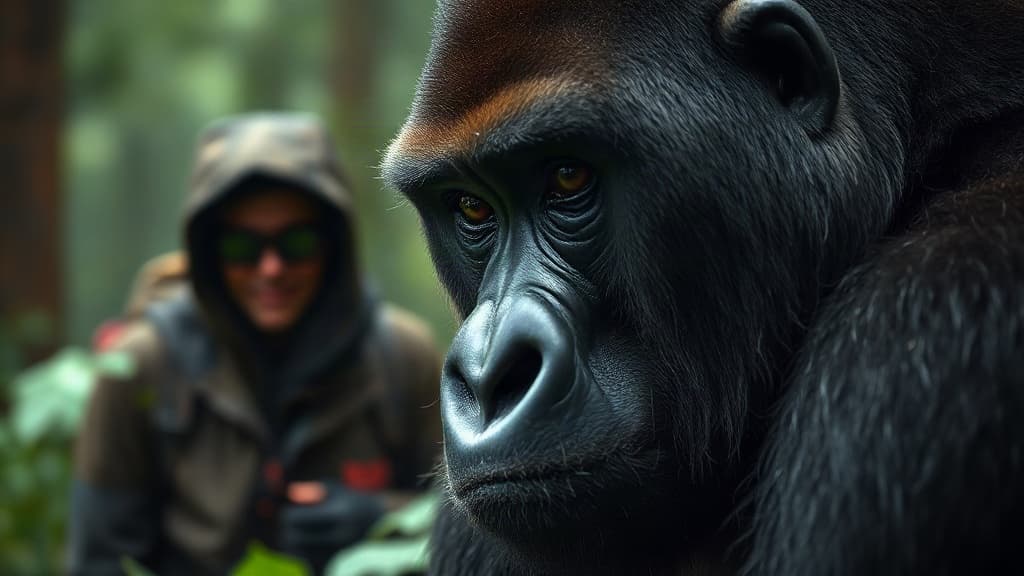
At a glance
- Low-season permit
- US$600 in Apr, May, Nov 2026
- Standard permit
- US$800 foreign non-resident
- Habituation permit
- US$1,800, no discount
- Booking rule since
- 1 March 2026 — full payment upfront
- Tourist visa
- US$50 single entry
- Rwanda comparison
- US$1,500 per permit
Bwindi Impenetrable National Park — Bwindi Impenetrable National Park · Mgahinga Gorilla National Park · Entebbe International Airport
On 26 February 2026, Uganda Wildlife Authority executive director Dr James Musinguzi announced the biggest change to how gorilla permits are sold in years: a $600 low-season permit for Bwindi Impenetrable National Park and Mgahinga Gorilla National Park, and the end of the seven-day reservation hold tour operators had relied on for over a decade. The new rules took effect five days later, on 1 March 2026, and they change both what a trip costs and how far ahead you need to lock it in.
What actually changed on 1 March 2026
Uganda's standard gorilla trekking permit for a foreign non-resident has been $800 since the current tariff period opened in July 2024, and that price is unchanged for peak months. What is new is a discounted low-season permit — US$600 for foreign non-residents and US$500 for foreign residents — valid for treks scheduled in April, May and November 2026, the country's two rainy seasons when demand for Bwindi's nine trekkable gorilla families typically drops. The gorilla habituation experience, which puts small groups with a still-semi-wild family for up to four hours instead of the standard one-hour visit, holds at US$1,800 and is not discounted during the low season, a detail several Uganda-based operators reporting on the announcement flagged specifically because early chatter assumed the whole permit lineup had been cut (Rwenzori Trekking Safaris' summary of the UWA communiqué).
The booking change matters more than the discount for anyone planning ahead. Since 1 March 2026, UWA no longer holds a permit for seven days against a tour operator's promise to pay — a permit is only secured once it is paid for in full, and low-season permits specifically cannot be rescheduled once bought. Individual travellers still cannot buy a permit directly from UWA; bookings run through a licensed Ugandan tour operator, a requirement UWA's own advisory on gorilla and chimpanzee permit purchases has enforced since 2024 and reconfirmed in the March 2026 update. Practically: if you want a specific date, especially in the July-to-September and December-to-February peak windows, you now need the full permit cost in an operator's hands before anyone else can claim that slot.
Nine of Bwindi's roughly 25 habituated gorilla families are currently open for tourism, split across four trailhead sectors — Buhoma, Ruhija, Rushaga and Nkuringo. Mgahinga, an hour further south near the Rwanda and DRC borders, has one trekkable family and is the quieter, less-booked alternative when Bwindi sells out.
Bwindi versus Rwanda's Volcanoes National Park
The obvious comparison is Rwanda, where a gorilla permit for Volcanoes National Park costs a flat $1,500 for foreign non-residents year-round — no low season, no discount tier. Rwanda's permit is nearly double Uganda's standard $800 rate and two-and-a-half times Uganda's new $600 low-season rate, which is why budget-conscious trekkers increasingly route through Entebbe rather than Kigali even though Rwanda's Volcanoes park has shorter, easier terrain. Uganda's trade-off is Bwindi's name for a reason: the forest is steeper and the treks run longer, sometimes four to six hours each way depending on where a family is feeding that morning.
What a permit does and doesn't include
The $600-$800 gorilla permit covers one hour with a habituated family, a park ranger guide, and the Bwindi or Mgahinga park entry fee for that day — it does not include a porter (commonly hired locally for around $15-20 and worth it on Bwindi's steep trails), accommodation, or transport to the trailhead. Most itineraries fly into Entebbe International Airport and then either take a chartered flight to Kihihi or Kisoro airstrip near Bwindi, or drive 8-9 hours from Kampala — reason enough why most trekkers book at least one night near the park before and after the trek rather than attempting a day trip.
What a day of trekking actually looks like
Trekking groups are capped at eight people per gorilla family and briefings start at each trailhead around 7:30am, after which rangers use radio updates from trackers already in the forest to route each group toward wherever that family fed and nested overnight. Bwindi's terrain is the reason permits here run cheaper than Rwanda's: trails climb and drop through dense, humid forest at altitudes between roughly 1,160 and 2,600 metres, and a trek can run anywhere from two hours to a full day of hiking before the group reaches a family, followed by exactly sixty timed minutes of observation once you do. Rushaga and Nkuringo sectors, in Bwindi's south, tend to have shorter average approach times than Buhoma in the north, though rangers assign groups to families by proximity on the day rather than by sector preference, so there is no way to book a "shorter trek" in advance.
Because a permit is only refundable or reschedulable under UWA's published cancellation policy — and low-season permits explicitly are not reschedulable at all once paid — most operators recommend locking in dates at least four to six months ahead for the July-September and December-February peak windows, and as early as possible for the discounted April, May and November slots now that the seven-day hold no longer exists to protect a provisional booking.
Visa and connectivity before you land
Uganda's single-entry tourist e-visa costs US$50 and is applied for online in advance through the government portal at visas.immigration.go.ug; most approvals come back within two to five business days, so it is not a land-at-the-airport formality. Travellers combining Uganda with Rwanda or Kenya can instead apply for the East Africa Tourist Visa at $100, valid for 90 days across all three countries on one application — useful if Bwindi is one stop on a wider itinerary rather than the whole trip.
Once you land, buying a local SIM is not the formality it is in many countries. Uganda's operators require a valid passport and visa at the point of sale — MTN Uganda's own tourist SIM page states plainly that you must "present your valid passport and VISA to get the Free Tourist SIM Card" at an MTN service centre, and the resulting SIM is only active for the length of your visa. That is a real errand to run in Entebbe or Kampala before heading into Bwindi's patchy-coverage forest sectors, which is exactly the gap a pre-installed Uganda eSIM is built to skip — no counter visit, no passport handover, connectivity live before you land at the airstrip nearest the park.
Frequently Asked Questions
When exactly are Uganda's 2026 low-season gorilla permits available?
The $600 foreign non-resident rate applies to treks scheduled in April, May and November 2026 only. Outside those months, the standard $800 rate applies, and it has been in force since the July 2024-June 2026 tariff period began.
Can I still book a gorilla permit without a tour operator?
No. Uganda Wildlife Authority's purchase guidelines require gorilla and chimpanzee permits to be bought through a licensed Ugandan tour operator, and the March 2026 change removed the seven-day hold operators used to reserve a permit before paying, so a firm date now needs full payment upfront.
Is Uganda or Rwanda cheaper for gorilla trekking?
Uganda is cheaper on the permit alone — $600-$800 for Bwindi or Mgahinga versus a flat $1,500 in Rwanda's Volcanoes National Park. Rwanda's park has gentler terrain and shorter drives from Kigali, which is what its higher price is generally sold on.
Do I need a Ugandan SIM card for connectivity in Bwindi?
You can buy one on arrival with your passport and visa, but MTN's tourist SIM requires an in-person visit to a service centre and is only valid for your visa's duration. A travel eSIM installed before departure avoids that step and works from the moment you land.
Keep reading
Helsinki's New UNESCO Trail: Alvar Aalto's Architecture in 2026
Five of Alvar Aalto's newly UNESCO-listed buildings sit inside Helsinki, all bookable this year — real tour prices, booking links, and how to reach them.
Read more
Venice's Day-Tripper Fee Is Paused: What Still Costs Money
Venice's access-fee trial ended 27 July 2026 — no charge to enter now. Here's what the 2026 season really cost, and what a proposed EUR 50 2027 rate could change.
Read more
Mount Olympus UNESCO Listing: What Changes for Hikers in 2026
Greece's highest peak was UNESCO-listed on 25 Jul 2026. Real 2026 refuge prices, the Class III summit scramble, and an easier gorge walk for everyone else.
Read more